Buying It Again: The Quiet Flex of the Repeat Purchase

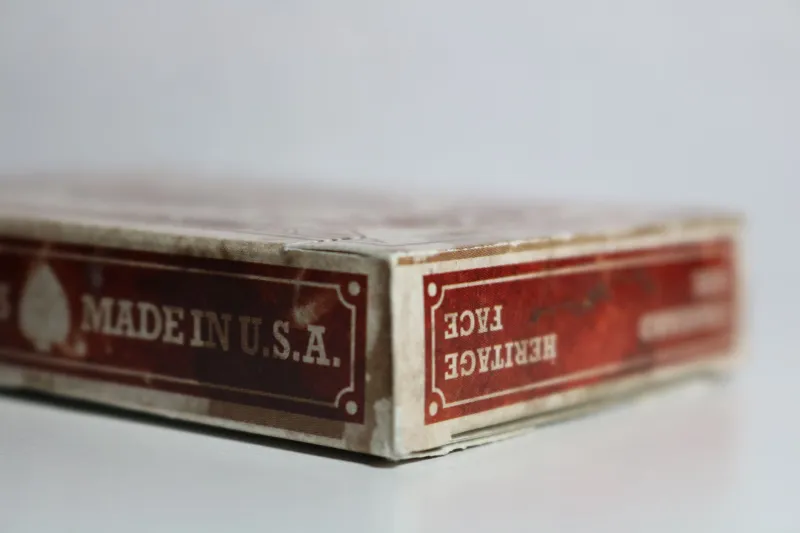
Photo: Louis Pierre Théophile Dubois de Nehaut, CC0, via Wikimedia Commons
There's a moment in every serious shopper's life that never makes it to Instagram: the quiet click of 'reorder.' No unboxing theatrics, no haul video, no dopamine spike from novelty. Just you, a product you already know cold, and the small satisfaction of getting it right twice.
In a retail culture built on the endless parade of new, the repeat purchase has become something of a countercultural act. And honestly? It might be the most underrated flex in premium shopping.
Discovery Is Loud. Loyalty Is Quiet.
American shopping culture celebrates the find. We trade recommendations like stock tips, we screenshot new releases, we build entire social feeds around the thrill of the unfamiliar. Novelty is the engine of the whole machine.
But here's what nobody says out loud: discovery is exhausting. Every new brand is a gamble. Every first purchase carries a hidden tax of research, comparison, and second-guessing. The shopper who reorders their go-to espresso beans, their tried-and-true leather wallet, their exact blend of loose-leaf tea — that person has already done the work. The reorder isn't laziness. It's the dividend on years of due diligence.
Think of it like a relationship. The first date is exciting, sure. But the person who shows up consistently, week after week? That's the one worth building around.
The Psychology of Finding 'The One'
There's a reason the repeat purchase feels different in the body than the first buy. Psychologists call the phenomenon 'choice overload relief' — the genuine calm that comes when a decision you've already made stays made.
When you reorder, you're not just buying a product. You're casting a vote for your own judgment. You're telling yourself: I did the research. I tested the alternatives. I know what I like, and I like what I know. In a world where premium shoppers are bombarded with options engineered to make them doubt last month's decision, that's a small act of self-trust.
There's also identity at play. A restocked shelf tells a story that a shelf full of one-off experiments never can. It says this person has a palate, a routine, a point of view. Ask any bartender, barista, or boutique owner: the regulars who order 'the usual' carry themselves differently than the ones still flipping through the menu.
The Second Purchase Is Where Brands Show Their True Colors
Here's where the story gets interesting for anyone paying attention to how premium retail actually works. Any brand can roll out the red carpet for a first-time customer. First-purchase discounts, welcome kits, beautifully designed boxes — that's table stakes, the retail equivalent of a firm handshake.
The brands worth your loyalty reveal themselves on purchase number two. What happens when the novelty is gone and you're just... back?
The great ones treat the reorder as a homecoming. They remember your preferences. They flag your favorite items before they sell out. They might tuck a handwritten note or a sample of something adjacent to your taste into the package — not as a sales pitch, but as a nod that says we know you, and we thought of you.
The mediocre ones treat you like a stranger with a credit card. Same generic confirmation email, same indifferent packaging, same feeling of being processed rather than served. If anything, the restock is the single best audit of a brand's character. First impressions can be bought. Second impressions have to be earned.
How to Shop Like a Restocker
If you want to lean into this philosophy, a few practical shifts help:
Keep a 'proven list.' When something earns a second purchase, write it down — the exact variant, the size, the seller. Future-you will thank present-you when it's time to restock.
Buy the backup before you run out. Scarcity anxiety is the enemy of enjoyment. If you love it, order the next one while the current one's still half full. Abundance mindset, applied to your favorite things.
Notice how brands treat your return. The second and third orders are your data. If a company gets better the more you buy from them, you've found a keeper. If they go cold, you've learned something too.
Let the restocks fund the experiments. A good ratio might be four confident reorders for every one new gamble. That way, your curiosity never costs you your comfort.
The Deeper Point
There's a version of premium living that's all acquisition — always the next thing, always the upgrade, always the unbox. It looks exciting from the outside and feels hollow from within, because it's built on the assumption that what you have is never quite enough.
The restock philosophy starts from the opposite premise: what I have is enough, and I'm choosing it again. That's not stagnation. That's mastery. It's the difference between a music lover who streams everything once and one who knows a favorite album by heart.
So the next time you catch yourself feeling a little bored at the idea of buying the same thing again — lean in. Boredom is just familiarity that hasn't earned your appreciation yet. The most refined shoppers in America aren't the ones with the newest hauls.
They're the ones on their fifth reorder, smiling at a confirmation email that feels like a note from an old friend.