The New Daily Ceremony: How Premium Shoppers Are Turning Products Into Personal Rituals
There's a particular kind of person who doesn't just use a product. They arrive at it. They set the scene. They take their time. And when the moment finally lands, it feels less like consumption and more like something they'd call sacred.
This isn't niche behavior anymore. Across the US, a noticeable shift is happening among premium lifestyle consumers — one where individual purchases are being woven into the fabric of daily ceremony. A lighter isn't just a lighter. A particular blend isn't just something you reach for. These things become anchors, markers of time, small rituals that say this is who I am and this is how I choose to live.
So what's driving it? And what does it mean for the way we shop?
An Oversaturated World Craving Intention
Let's be honest: we're all drowning in options. The average American consumer is bombarded with thousands of product impressions every single day — social feeds, email inboxes, algorithmic suggestions that seem to know you better than your closest friends. In that environment, the things that actually stick aren't the loudest or the most aggressively marketed. They're the ones that feel chosen.
"There's real psychological weight to the act of selecting something deliberately," says Marcus Ellroy, a lifestyle consultant based in Austin who works with high-net-worth clients on what he calls "intentional living architecture." "When you've taken the time to find a product that genuinely fits your life, you naturally start building around it. You create space for it. You protect the moment."
That protection of the moment — carving out time, eliminating distraction, making the experience something worth returning to — is at the heart of what's being called the ritual renaissance among premium shoppers.
From Purchase to Practice
Take Dominique, a 38-year-old marketing director in Chicago who describes herself as someone who "used to just buy stuff." A few years ago, she started paying closer attention to what she actually enjoyed about her day — the specific textures, the smells, the sensory details that made certain moments feel complete.
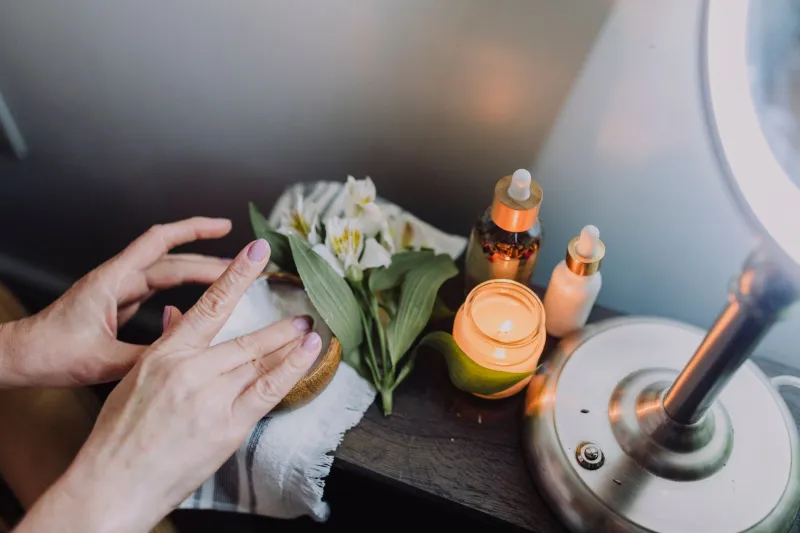
"I realized I'd been rushing through the best parts," she says. "My evening routine used to be chaotic. Now I've built this whole sequence — lighting, scent, a specific product I enjoy, no phone. It takes maybe twenty minutes, but it completely resets me."
What Dominique is describing isn't a wellness trend she picked up from an influencer. It's something she constructed herself, using products she loves as the building blocks. The items are almost secondary to the practice — but without the right products, the practice wouldn't hold.
This is the nuance that premium brands are starting to understand. Consumers like Dominique aren't just buying a product. They're buying a role for that product to play in their life.
The Sensory Dimension
One of the most consistent threads in conversations with ritual-minded shoppers is the emphasis on sensory specificity. It's not enough for something to taste or smell good in the abstract — it has to hit the right note at the right time.
"I think about my morning differently than I think about my evening," says Jordan, a freelance creative in Brooklyn. "Morning stuff has to feel clean, sharp, a little energizing. Evening stuff needs to slow me down. I've got completely different products for each, and mixing them up actually throws off the whole vibe."
This kind of sensory mapping — where different products are assigned to different emotional registers throughout the day — is something lifestyle experts say is becoming increasingly common among premium consumers.
"It's almost like building a personal soundtrack," says Ellroy. "Each product is a different track, and together they score your day. The best premium brands understand this intuitively. They're not just selling you something — they're offering you a note in your own composition."
What Brands Need to Understand
For retailers paying attention, this shift carries real implications. The premium shopper of 2024 isn't just evaluating a product on quality and price. They're asking a deeper question: does this fit into the life I'm building?
That means packaging matters. Timing of delivery matters. The way a product smells when you first open the box matters. Every touchpoint is an opportunity to either honor or disrupt the ritual the customer is trying to construct.
Brands that get this right tend to inspire the kind of loyalty that's almost irrational from the outside — the customer who will wait for a restock rather than try an alternative, the one who writes unprompted reviews that read more like personal essays. They're not just satisfied customers. They're practitioners.
"When a brand becomes part of your ritual, it stops being a brand in the traditional sense," says Ellroy. "It becomes a prop in your personal theater. That's an incredibly powerful position to occupy."
Building Your Own Ceremony
If you're someone who's been scrolling past products without anything really landing, it might be worth asking a different question. Instead of what do I want to buy, try what kind of moment do I want to create?
Start small. Pick one part of your day — a morning coffee window, a post-work decompression slot, a weekend afternoon stretch — and think about what sensory experience would make it feel complete. Then shop toward that feeling rather than browsing aimlessly.
The products that end up mattering most are rarely the flashiest or the most expensive. They're the ones that earn a permanent place in your routine, the ones you'd genuinely miss if they disappeared. That's the standard worth shopping to.
At Mevius Shop, that's the kind of premium experience we're always working to deliver — not just something that looks good in a cart, but something that earns a place in the life you're actually living.
The Bigger Picture
There's something quietly profound about the ritual renaissance, if you step back and look at it. In a culture that celebrates speed, volume, and constant novelty, choosing to slow down — to build ceremony around a product, to return to the same moment again and again with care — is a small act of resistance.
It's a way of saying: this matters. I matter. The way I spend my time matters.
And honestly? That might be the most premium thing of all.