Moments Over Merchandise: How Premium Shoppers Are Redefining What It Means to Invest in Themselves
There's a particular kind of satisfaction that comes from owning a well-made thing. The weight of it in your hands. The way it looks on a shelf. The story it tells about who you are and what you value. For a long time, that was the whole point of premium shopping — finding the object that said this is me.
But something's shifting. Quietly, steadily, the most thoughtful consumers in the US are turning their attention away from what they can hold and toward what they can feel. The ritual economy is here, and it's changing the way premium brands think about their entire reason for existing.
What the Ritual Economy Actually Means
Here's the short version: people are spending less on stuff and more on doing. But that framing undersells it. This isn't just about swapping a purchase for a class or a product for a subscription box. It's about building a lifestyle architecture — a set of practices, moments, and sensory experiences that feel intentional, repeatable, and genuinely yours.
Think about the person who used to spend Saturday afternoons browsing for something new to add to their collection. Now? They're hosting a small tasting night at home, carefully selecting what to pour and when, pairing it with music they've curated and snacks they've sourced from a specialty shop two towns over. The investment isn't in a single item. It's in the whole event — and in the version of themselves that shows up for it.
Psychologists have a term for why this feels so good: anticipated utility. The pleasure of an experience doesn't just happen during the experience itself — it builds in the days leading up to it, and it lingers long after in memory. Objects tend to fade into the background of your life. Moments don't.
Why Brands Are Designing for Rituals Now
Smart premium brands are paying close attention to this. The brands winning right now aren't just selling products — they're selling entry points into a lifestyle practice. They're asking: What does our customer do with this? When? With whom? How does it feel?
That shift in thinking changes everything about how a product gets marketed, packaged, and delivered. It's why you're seeing more brands invest heavily in the unboxing moment, in guided usage content, in curated pairing suggestions, and in community-building around shared rituals. The product is almost secondary. What the brand is really selling is a repeatable experience you want to come back to.
Subscription models have become a natural fit for this mindset. When something arrives on a schedule — a monthly selection, a seasonal release, a limited-run delivery — it creates anticipation. It marks time. It gives you something to look forward to in a way that a one-time purchase rarely does. Premium lifestyle subscribers aren't just buying convenience. They're buying a recurring ritual that punctuates their month.
The Intimate Gathering as a Status Signal
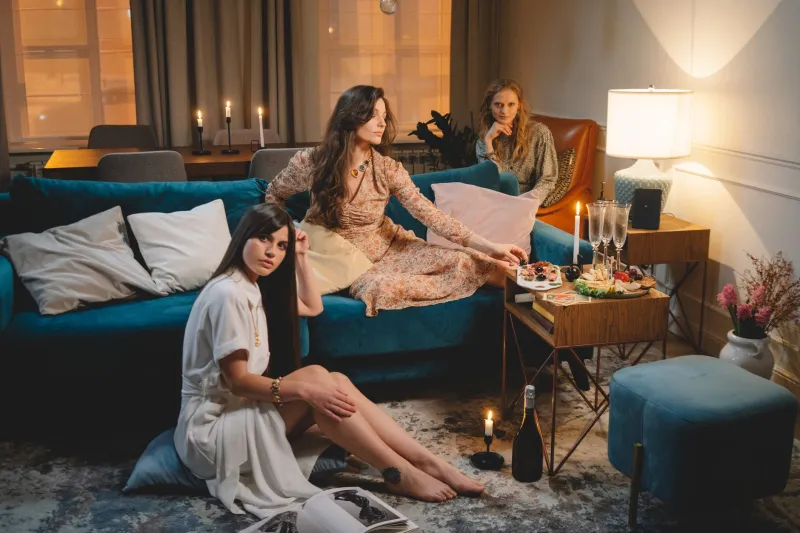
One of the most interesting expressions of the ritual economy is the rise of the curated home gathering. Across the US, premium consumers are increasingly hosting smaller, more intentional get-togethers in place of large, showy parties. These are events built around a specific experience — a guided tasting, a themed dinner, a carefully chosen pairing of flavors, products, and conversation.
This is a meaningful cultural signal. Hosting something intimate and well-considered has become its own form of status. It says: I know what I like, I've thought about it, and I want to share it with you. That's a very different flex from simply having expensive things on display. It's participatory. It's generous. And it requires a level of curation that money alone can't buy — it takes taste, effort, and genuine enthusiasm.
Brands that understand this are leaning into it hard. They're providing the language, the context, and the tools that help their customers become confident hosts of these kinds of moments. A product that comes with a story, a suggested ritual, a reason to gather — that product has an edge over one that just sits on a shelf.
The Psychology of Doing Over Having
There's research worth knowing here. Studies consistently show that experiential purchases generate more lasting satisfaction than material ones. Part of the reason is social — experiences are easier to share, easier to talk about, and more likely to connect you with other people. Part of it is identity-based — experiences feel more like you than objects do, because they can't be replicated or compared as easily.
But there's another layer that gets less attention: experiences are harder to second-guess. When you buy a thing, you can always find a better version of it online five minutes later. When you invest in a moment — when you've planned it, lived it, and filed it away as a memory — there's no competing version. It was yours. That's a kind of satisfaction that premium brands are learning to manufacture very deliberately.
What This Means for How You Shop
If you're a premium lifestyle shopper, this shift is worth thinking about practically. The question to ask before you buy something isn't just do I want this? — it's what will I do with this? The products worth investing in are the ones that fit into a ritual you already have or help you build one you want.
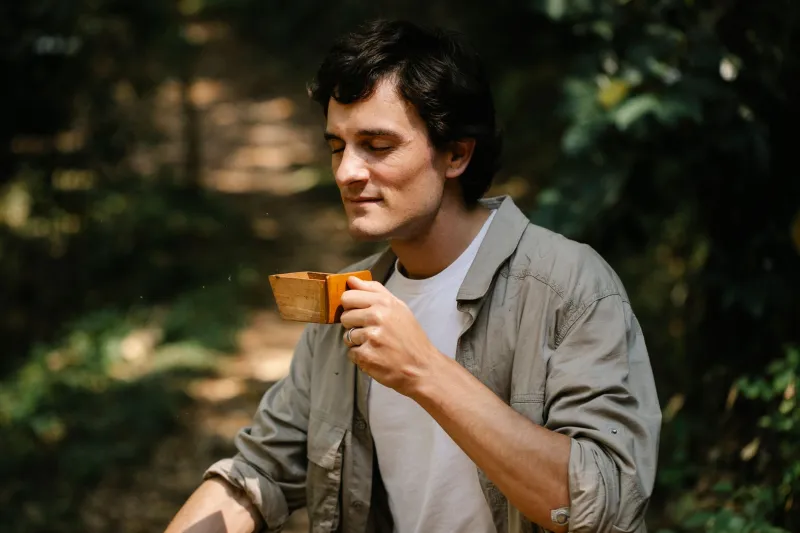
A great tobacco product, for instance, isn't just about the smoke. It's about the pause. The moment you carve out in a busy day to step outside, slow down, and just be somewhere. The brands that understand their product's role in that moment — and design for it, package for it, and communicate around it — are the ones earning the loyalty of the most thoughtful consumers.
Same goes for everything in the premium lifestyle space. The question isn't what you're buying. It's what kind of moment you're buying into.
The Bottom Line
The ritual economy isn't a trend with an expiration date. It's a fundamental reorientation of what premium means — away from the object and toward the occasion. The best brands in this space aren't just delivering products anymore. They're delivering reasons to slow down, pay attention, and do something that feels worth doing.
For shoppers, that's genuinely exciting. It means the most valuable thing in your lifestyle isn't sitting on a shelf somewhere. It's waiting to happen.