Before You Add to Cart: The Premium Shopper's Case for the Personal Audit

There's a quiet revolution happening among the most discerning shoppers in America. It doesn't look like a viral trend, and it won't show up in your feed as a hot new hashtag. It looks more like someone sitting in their living room, coffee in hand, actually looking at the things they own.
Call it the connoisseur's pause. Before reaching for their wallet, a growing number of premium consumers are stopping to take a real, honest inventory of what's already on their shelves, in their drawers, and tucked away in those corners they haven't visited in months. And the more you dig into why, the more it starts to feel less like restraint — and more like the smartest move a shopper can make.
The Problem With Always Being in Buy Mode
Here's the thing about living in a world of frictionless shopping: the ease of purchase has quietly disconnected the act of buying from the experience of owning. One-click checkout, same-day delivery, curated recommendation engines — they're all brilliant at getting things into your hands. What they're not so great at is helping you figure out whether you actually needed them in the first place.
For premium shoppers especially, this creates a specific kind of clutter — not the chaotic, thrift-store variety, but a more insidious accumulation of high-quality goods that somehow never quite get their moment. A leather wallet still in its box. A limited-edition release opened once, then forgotten. A product you swore you'd incorporate into your daily routine that's been sitting on a shelf for three months.
The result isn't just wasted money. It's a diluted collection that no longer reflects who you are — or what you actually value.
What a Personal Audit Actually Looks Like
A personal inventory isn't complicated, but it does require a level of honesty that most of us tend to skip when we're excited about something new. The basic framework goes something like this:
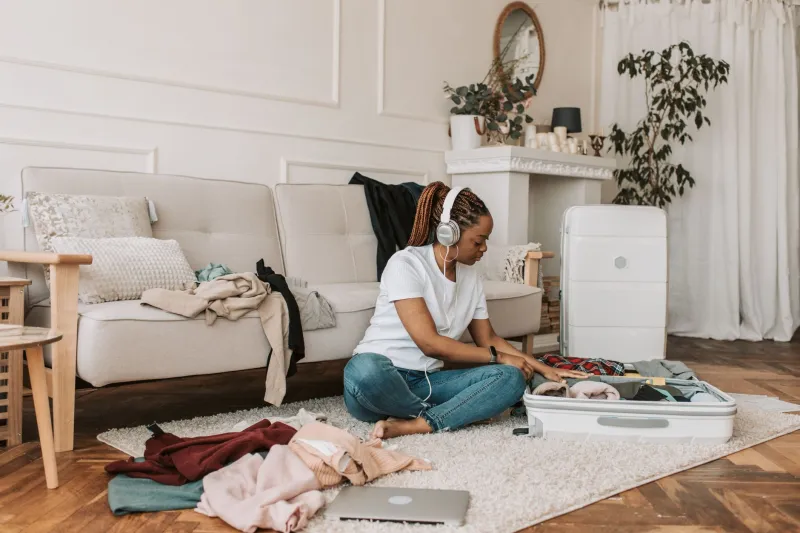
Step one: Take stock, literally. Pull out everything in a given category — whether that's your grooming products, your bar cart, your lifestyle accessories, whatever your domain of choice happens to be. Actually look at what you have. Not in your memory, but in front of you, physically present.
Step two: Sort by engagement. Which items do you reach for regularly? Which ones have become background furniture? This isn't about guilt — it's about data. The things you genuinely use tell you something real about your preferences that no marketing campaign ever could.
Step three: Ask the honest question. Before you consider anything new, ask yourself: does a gap actually exist here, or am I just bored? There's a meaningful difference between identifying something your collection genuinely lacks and manufacturing a need because you've been scrolling for forty-five minutes.
Restraint as a Flex
In American consumer culture, there's long been a prestige attached to acquisition. The bigger the haul, the better the status signal. But something is shifting, and it's most visible among buyers who've already been through a few cycles of accumulate-and-regret.
These days, the people who command the most respect in premium communities — whether that's whiskey enthusiasts, high-end grooming devotees, or lifestyle collectors of any stripe — tend to be the ones who can articulate why they own what they own. They're not just consumers; they're curators. And curation, by definition, requires saying no as often as you say yes.
There's a quiet confidence that comes with that posture. When you do make a purchase, it carries weight. It means something. And the products themselves get elevated by the company they're keeping.
The Difference Between Desire and Impulse
One of the most useful things a personal audit teaches you is how to tell authentic desire apart from impulse. This sounds simple, but it's genuinely hard to do in the moment — especially when you're staring at a beautifully packaged product from a brand you respect.
Authentic desire has a history. It's the thing you've thought about more than once, that keeps coming back to you even when you're not shopping. It fits into a real gap in how you live your daily life. Impulse, on the other hand, tends to be louder and shorter-lived. It peaks at the moment of discovery and fades pretty quickly once the novelty wears off.
The audit creates distance — and distance is the enemy of impulse. When you've just spent an hour genuinely engaging with what you already own, the bar for what earns a place in that collection gets noticeably higher.
Making the Pause a Habit
The goal isn't to stop buying. It's to buy better — and to get more out of everything you already have in the process. A lot of premium consumers find that a regular audit (even a casual one, done quarterly or seasonally) changes their relationship with their collections in ways that feel genuinely satisfying.
You start to appreciate things you'd stopped noticing. You rediscover products that deserve more of your attention. And when you do eventually pull the trigger on something new, you do it with clarity — not just excitement, but the kind of considered confidence that makes the whole experience feel more intentional.
That's the real luxury play here. Not the product itself, but the relationship you build with it over time. And that starts long before you ever hit add to cart.