How to Actually Tell Good From Great: A Field Guide to Spotting Real Quality
Walk into any lifestyle retailer — online or off — and you'll see the same language repeated on loop. Artisan-crafted. Small-batch. Premium quality. The vocabulary of excellence has been so thoroughly borrowed by so many brands that it's stopped meaning much of anything. Which leaves the serious shopper with a real problem: if everyone claims to be the best, how do you actually figure out who is?
The answer isn't a shortcut, and it's not a list of brand names to trust blindly. It's a skill — one that takes some time to develop, but that pays dividends every single time you go to make a decision. Here's how to start building it.
Shift From Passive to Active Engagement
Most of us consume products passively. We use them, we like them or we don't, and we move on. The first step toward developing a real eye for quality is learning to engage actively — to slow down and actually pay attention to what you're experiencing.
This applies to everything from the weight of a product in your hand, to the way materials respond over time, to the subtleties of scent, texture, or finish that separate something well-made from something that just looks well-made from a distance. The goal is to build a sensory vocabulary — a set of internal reference points that you can draw on when you're evaluating something new.
This isn't about being precious. It's about being informed. The more deliberately you engage with quality goods, the faster your baseline calibrates — and the faster you'll notice when something doesn't measure up.
Learn the Language of Craft in Your Category
Every product category has its own set of quality markers, and learning them is one of the most valuable investments you can make as a consumer. You don't need to become an academic expert. You just need to understand the basics well enough to ask good questions.
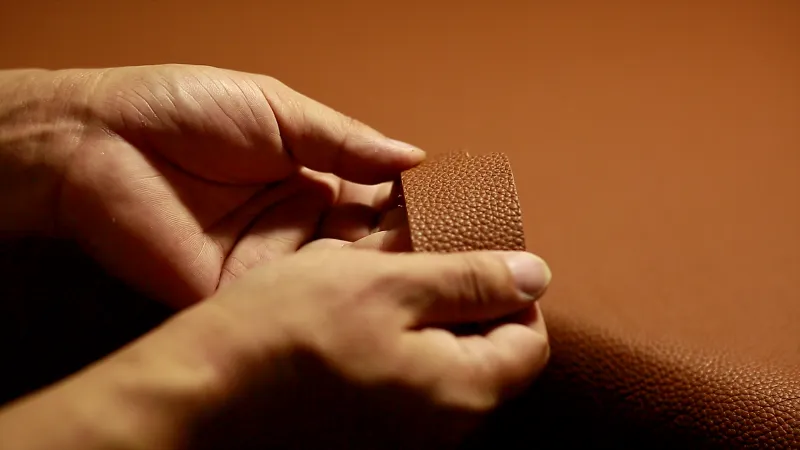
If you're into leather goods, learn the difference between full-grain and top-grain. If you're a spirits enthusiast, understand what age statements actually mean — and when they don't tell the whole story. If you're building a collection of lifestyle accessories or tobacco products, learn what production methods, materials, and sourcing practices tend to correlate with superior outcomes.
A few practical ways to build this knowledge:
- Read trade publications and enthusiast forums, not just mainstream reviews. The people who care most about a category tend to write about it in ways that surface details general coverage ignores.
- Talk to people who've been in the game longer than you. Collectors and connoisseurs are usually happy to share what they know. The knowledge tends to be generous.
- Seek out comparison experiences. Tasting a mid-range product alongside a premium one — whatever form that takes in your category — teaches you more in ten minutes than hours of reading.
Trust Construction Over Claims
One of the most reliable ways to cut through marketing noise is to focus on how something is made rather than how it's described. Construction is honest in a way that copy often isn't.
Ask yourself: what would it take to do this right? What shortcuts would a manufacturer be tempted to take, and how would you spot them? This kind of thinking reframes your evaluation from passive reception to active investigation.
In practice, this might mean looking at how a product's components fit together, how edges and seams are finished, whether the materials used are appropriate for the function, and whether the design suggests that someone thought carefully about the experience of using it over time — not just the experience of seeing it in a photo.
Details matter here. A brand that sweats the small stuff in visible ways is usually sweating it in ways you can't see, too.
Understand the Role of Time
Quality has a relationship with time that inferior products simply can't fake. A well-made product tends to age gracefully — it develops character, holds up under regular use, and often becomes more satisfying over time rather than less. A product that's all surface tends to reveal its limitations pretty quickly.
This is why experienced buyers put a lot of weight on durability and longevity when they're evaluating something. It's not just about getting value for money (though that matters). It's about recognizing that quality is often most visible in retrospect — in how something holds up six months or two years down the road.
Whenever possible, look for evidence of this. Long-term reviews from actual users. Products with track records. Brands that have been around long enough to have a reputation for how their goods perform over time, not just at point of sale.
Build Your Reference Library
Connoisseurship is fundamentally comparative. You can't recognize exceptional quality in a vacuum — you need reference points. So one of the most deliberate things you can do as you develop your eye is to intentionally build a mental (or physical) library of quality benchmarks.
Every time you encounter something that genuinely impresses you, take note of why. What specifically made it stand out? What did it do that other products in the same category didn't? Over time, these observations accumulate into a framework that makes evaluation faster, more confident, and more accurate.
The best part? This process is genuinely enjoyable. Seeking out excellent things, paying close attention to them, and understanding what makes them work — that's not a chore. That's what being a real enthusiast feels like. And once you've got that foundation, no amount of clever packaging or inflated claims can substitute for the real thing.